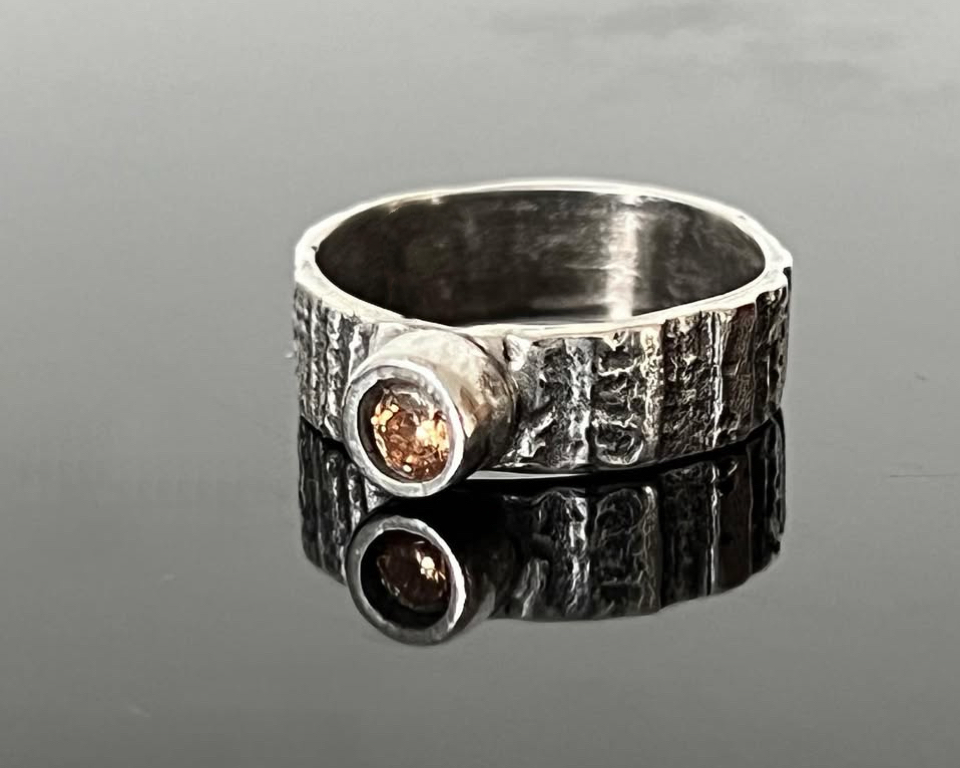
What is zirconia?
Zirconia (also called cubic zirconia or CZ) is an artificial stone that looks like diamond. It is a crystal of zirconia grown in a laboratory. Because of its brilliance and hardness, it is often used as an affordable alternative to gemstones such as diamond, sapphire or emerald.
Different qualities
Not all zirconias are the same. The difference is in:
-
Quality of sharpening: The better sharpened, the more beautiful the brilliance.
-
Purity and color: Good quality zirconia is clear and sparkling, but there are also colored varieties (blue, green, pink, etc.).
-
Resistant to heat: There are heat-resistant types. And this is especially important for jewelry makers working with silver clay or solder.
Heat-resistant vs. non-heat-resistant zirconia
-
Heat-resistant (firable) zirconia:
These stones can withstand the high temperatures of firing silver clay (up to about 900-1000 °C). So you can put them directly into the clay before firing. After cooling, they remain beautifully clear and retain their color. (Do not cool them in water, they will crack, lose clarity or change color) -
Non-heat-resistant (non-firable) zirconia:
These stones cannot withstand high temperatures and would become dull, cracked or even melted during firing. For this type, use a different technique:-
Bezel or case setting: You make a setting that you later solder to the jewelry after firing.
-
Co-fired setting: You can also co-fire special silver clay or silver settings into the design, and place and secure the stone only after firing.
-
Application in jewelry with silver clay
-
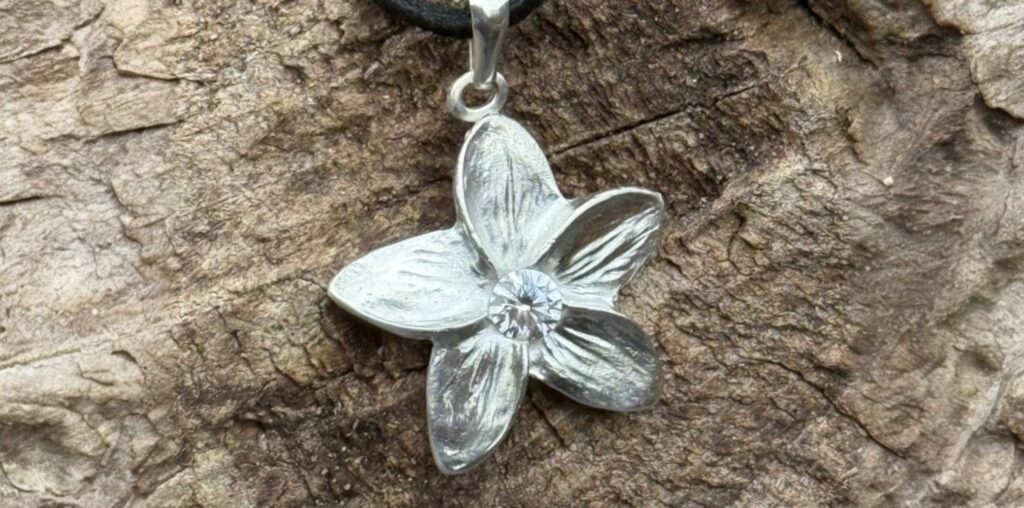
With heat-resistant bricks: Place the zirconia directly into the still wet clay and bake. Make sure the stone is well enclosed but not too tight, to avoid shrinkage cracks. Press it slightly below the surface of the clay. The shrinkage of the clay will push the stone upward. If it is not placed deep enough the pebble will end up too high and you also run the risk of the pebble not being firmly attached.
-
With non-heat-resistant stones: Make a setting of silver clay (with the anti shrinkage compound) or use a ready-made setting case of preferably 999 silver, but 925 silver is also possible. After baking, place the stone in the case and secure it with 2-component jewelry glue or UV and Led resin.
Why work with zirconia?
-
They are affordable yet beautifully glossy.
-
Available in many colors, making them versatile in jewelry design.
- Due to the wide variety of color, it can also be combined nicely with, for example, natural stone cabochons
-
Heat-resistant varieties make it easy to work them directly into silver clay.