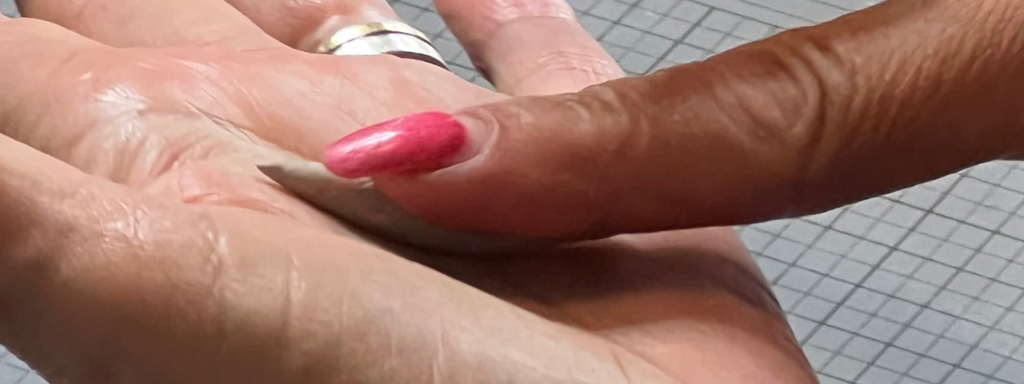
Metal allergy
About 15 percent of the population is allergic to metals, particularly one of the metals, nickel, chromium, cobalt and palladium Allergy is three times more common in women than in men. Known metal allergies include nickel, chromium and cobalt allergy. Precious metals cause allergic reactions only in very exceptional cases.
So nickel is a metal to which relatively many people are allergic Nickel is widely used for jewelry and jewelry components.
Overview of metals that do not contain nickel:
-
Surgical stainless steel
-
14-18 and 24-carat gold
-
925 sterling silver
-
999 pure silver
-
Copper
-
Platinum
-
Titanium
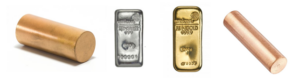
All jewelry, haberdashery and parts in our store are hypoallergenic and nickel-free!
Esquell only sells jewelry and jewelry parts made of silver, gold, bronze, copper, brass, stainless steel, nickel-free silver plated. The chance of allergic reactions to jewelry and haberdashery purchased from Esquell is therefore extremely small. Brass consists of an alloy of copper and zinc. Contact allergies to copper, tin and zinc can only occur in very exceptional cases.
Silver (also silver clay)
999 silver and 925 silver are always nickel-free.
925: Also called Sterling silver. The number combination 925 represents the amount of silver in the piece of jewelry measured in percent. A piece of jewelry consists of a certain composition of metals, an alloy. 925 stands for an alloy of 92.5% silver and 7.5% of another metal, in most cases this is copper.
999: The advantage of using 999 silver haberdashery is that it is softer and therefore more malleable to work with. It can be joined with heat without soldering. and it oxidizes less quickly than 925 silver. 999 silver haberdashery is best for working with Silver Clay.
Silver Clay / Art Clay Silver 99.9% pure silver oxidizes less because no other metals are added to make the silver harder, so there will also be fewer allergic reactions. Jewelry made from Art Clay Silver is very strong and durable.
Silver-plated
The silver-plated haberdashery and jewelry components in Esquell’s shop are nickel-free. Silver plated haberdashery is metal with a layer of silver on top. We call this silver plated. Because there is only a thin layer of silver on top of the silver, silver plated supplies are more affordable than full silver.
Bronze (also bronze clay)
Bronze is an alloy of copper and tin.
Gold (also gold clay)
Gold is naturally very soft. Therefore, other metals are added to it. The addition makes gold strong and more scratch-resistant.
14 carat gold contains 58.8% gold, a higher carat contains more gold, a lower carat naturally contains less.
The gold clay is 22 carats, which means it contains a relatively high amount of gold and is nickel free.
In addition to gold, gold is composed of another metal, such as silver, copper, palladium, nickel or zinc. The alloying with this other metal gives the gold different properties, it becomes harder, tougher or takes on a slightly different color. The other metals in gold can therefore cause an allergic reaction.
The gold jewelry and haberdashery and gold clay sold by Esquell are nickel-free.
Copper (also copper clay)
The main sources of copper are the minerals chalcopyrite, chalcocite, covellite, azurite, malachite and bornite. These are found in abundance in the Earth’s crust.
In very rare cases, Copper allergy occurs. The allergic symptoms listed therein are: itching and redness all over the body, diarrhea, nausea, muscle pain, fatigue and hair loss.
The Art Clay Copperclay is nickel-free.
Brass (Brass)
Brass is an alloy of copper and zinc. This alloy, a fusion of metals, has been used for centuries because it produces a hard material with good machinability. In fact, copper is naturally a softer metal. Adding zinc makes it harder without making it brittle.
Brass is a semi-precious metal. Thus, the material is a mix of copper and zinc. Brass has a golden look and is nickel-free. As with sterling silver (precious metal), the material can oxidize.
Because it is an alloy that also contains copper, in very rare cases an allergic reaction occurs. This is then a copper allergy.
RVS -Stainless Steel
Stainless Steel is the English name for stainless steel or stainless steel It is a composition of mainly iron, chromium, nickel and carbon. Stainless steel is strong, rust resistant and stays beautiful for a long time under all kinds of conditions. Stainless steel has a silver luster but unlike silver, it is not susceptible to corrosion, scratches or dents.
In very rare cases, stainless steel allergy occurs. There is a very small amount of nickel in stainless steel. Most people who are allergic to different metals do not experience this with stainless steel jewelry. This is because stainless steel has a kind of natural layer. This layer ensures that the alloys of the various metals it contains do not come into contact with the skin. If this layer is damaged, it repairs itself naturally as soon as it comes into contact with oxygen.